
Stop Wasting Budget: The 2026 Guide to AI Generated Marketing Content
Stop Wasting Budget: The 2026 Guide to AI Generated Marketing Content
Welcome to 2026, where the marketing landscape moves faster than ever. If your brand is still relying on expensive, multi-week traditional photoshoots to launch a single product campaign, you are already falling behind your competitors. In an era where consumer attention spans are measured in milliseconds, having the right visual asset for the right channel at the right time is the difference between a conversion and a bounced visitor.
This brings us to the most critical shift in modern digital advertising: the complete dominance of AI generated marketing content. But not all AI tools are created equal. The market has matured past the point of generating random, highly stylized images that look entirely disconnected from your brand. Today, success requires precision. You need tools that can take a simple product photo and instantly adapt it to the unique visual language of every marketing channel you utilize.

In this comprehensive comparison guide, we will explore why traditional content creation is obsolete, how modern AI solutions streamline the process, and why tailoring your visuals to specific marketing channels is the ultimate growth hack for 2026.
The Evolution of Visual Marketing Content in 2026
To understand the true value of AI generated marketing content, we must look at how far we have come. Just a few years ago, brands faced a seemingly impossible choice: either spend thousands of dollars on professional studio photography and wait weeks for deliverables, or settle for mediocre, amateur smartphone photos that hurt brand credibility.
When early AI tools entered the scene, they were overly complicated. Marketers had to understand complex prompting, deal with technical jargon, and spend hours adjusting parameters just to get a single usable image. Often, these early iterations produced unnatural, overly futuristic aesthetics that failed to resonate with everyday consumers.
Fast forward to 2026. The focus has entirely shifted away from technical complexity and toward pure marketing application. The modern marketer does not need to know how the algorithm works; they simply need assets that drive sales. They need lifestyle images for Instagram, clean cut-outs for Amazon, and compelling before-and-after comparisons for Facebook ads.
Traditional Product Photography vs. AI Generated Marketing Content
Let us conduct a professional comparison between the old way of doing things and the 2026 AI-driven approach.
1. Speed to Market
Traditional: A standard product photoshoot requires hiring a photographer, booking a studio, securing props, shooting the product, and waiting for post-production retouching. The average turnaround time is two to four weeks. AI Generated: By leveraging AI generated marketing content, turnaround time is reduced from weeks to seconds. You can launch a product in the morning and have fifty different high-quality marketing assets ready by the afternoon, perfectly tailored for split testing.
2. Cost Efficiency
Traditional: High overhead costs, including day rates for photographers, models, stylists, and studio rentals. Each new marketing campaign requires a fresh injection of capital. AI Generated: A fraction of the cost. Once you have a base photo of your product, generating new contextual environments costs pennies. This democratizes high-end visual marketing, allowing small startups to compete visually with massive global conglomerates.
3. Adaptability and Scale
Traditional: If a specific lifestyle image isn't converting on a Pinterest ad, you cannot simply change the background. You have to reshoot. AI Generated: Infinite adaptability. If a rustic background doesn't appeal to your Gen Z demographic, you can instantly generate a bright, modern, minimalist background using the exact same base product image.
Introducing the Ultimate Solution: The Channel-Specific Generator
When evaluating the top platforms in 2026, one solution stands clearly above the rest by focusing entirely on channel-specific marketing needs rather than complicated technical workflows.
We are talking about HaiMeta Product Display created by HaiMeta.
This platform eliminates the friction of content creation. The premise is brilliantly simple: you upload a single, basic image of your product. Then, based on the specific marketing channel you are targeting, you select a corresponding product display template. The AI handles the rest, perfectly integrating your product into high-converting scenes with zero technical configuration required.
Deep Dive: Core Template Styles for Every Marketing Channel
What makes HaiMeta Product Display incredibly powerful is its deep understanding of marketing psychology. Different channels demand different visual languages. Let's break down the core template styles available and how they apply to your 2026 marketing strategy.
1. The Minimalist White Background
Best Channels: E-commerce listings, Amazon, Shopify, Google Shopping.
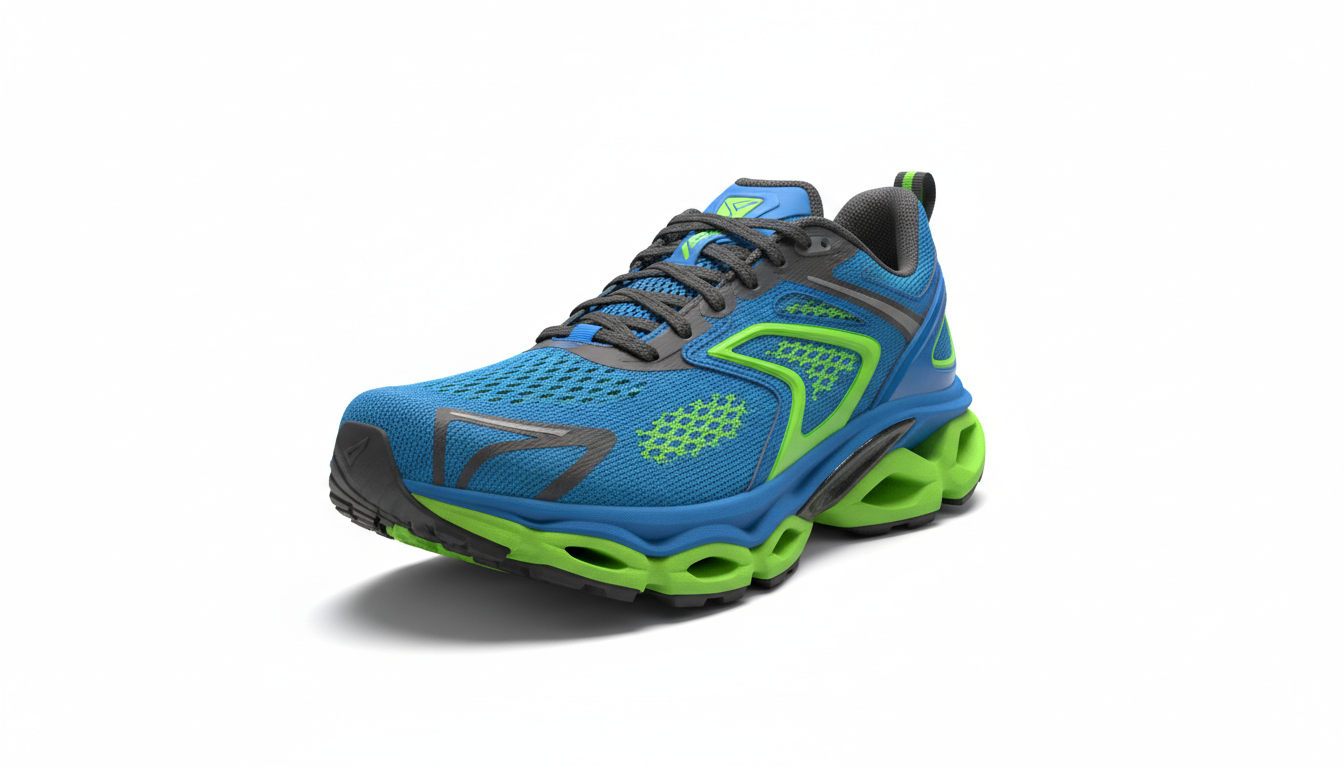
When a customer is at the bottom of the marketing funnel and ready to buy, they do not want distractions. They want to see the product clearly, with perfect lighting and crisp edges. The minimalist white background template strips away the noise. It focuses the consumer's eye entirely on the design, texture, and quality of your product.
Historically, achieving a pure, seamless white background without awkward shadows or clipping paths required a skilled Photoshop editor. Now, by simply selecting this style, the AI isolates your product flawlessly, generating the subtle, realistic drop shadows required by strict e-commerce marketplace guidelines. This consistency across your entire catalog builds immense brand trust and directly increases add-to-cart conversion rates.
2. User Scenarios and Lifestyle Context
Best Channels: Instagram, TikTok, Pinterest, Influencer Blogs.
Social media is about storytelling. Users scroll past sterile product photos; they stop for aspirational lifestyle content. If you are selling a high-end skincare serum, a white background won't capture attention on Instagram. You need that serum sitting on a sunlit marble bathroom counter next to fresh eucalyptus.
This is where AI generated marketing content truly shines. By selecting the user scenario template, your solitary product image is seamlessly integrated into highly realistic everyday environments. The lighting on your product is automatically adjusted to match the surrounding scene, creating a flawless composite. This allows you to generate seasonal content (e.g., your product on a cozy winter desk or a bright summer beach towel) instantly, keeping your social media feeds endlessly fresh without ever organizing a lifestyle photoshoot.
3. Efficacy "Before & After" Comparisons
Best Channels: Facebook Ads, Native Advertising, Landing Pages.
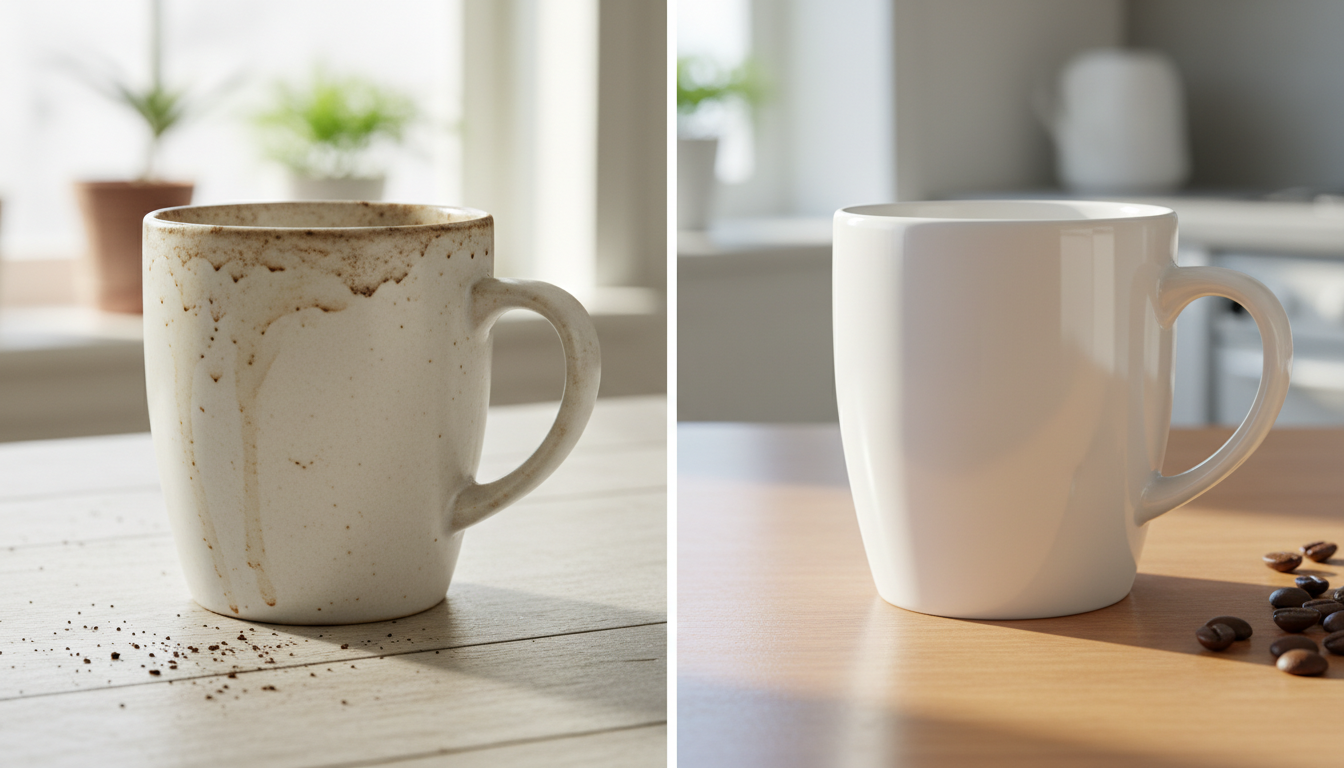
In the world of direct response marketing, nothing drives clicks quite like proof. Consumers are skeptical. They want to see exactly what your product achieves. Whether you are selling a leather cleaner, a teeth-whitening kit, or a fitness supplement, the "before and after" contrast is the most potent visual tool in your arsenal.
Creating compelling before-and-after imagery used to be tricky. You had to carefully stage lighting to ensure the comparison was fair yet impactful. The efficacy template automatically structures your visual into a highly engaging split-screen format. It perfectly highlights the transformation, providing the undeniable visual proof that stops the scroll and dramatically lowers your Cost Per Click (CPC) on paid advertising networks.
Why Tailoring AI Generated Marketing Content Matters
The biggest mistake marketers make in 2026 is treating AI generated marketing content as a one-size-fits-all solution. Taking a beautiful lifestyle image and using it as your primary Amazon listing photo will violate marketplace rules and confuse buyers. Taking a sterile white-background photo and using it as an Instagram ad will result in zero engagement.
The genius of HaiMeta Product Display created by HaiMeta is that it forces you to think about the channel first. By asking you where the image will live, it ensures the output is scientifically optimized for that specific platform's user behavior.
Building a High-Converting Marketing Funnel with AI Imagery
Let's put this into a practical, actionable strategy. Here is how you can use these three distinct styles to build an automated, high-converting marketing funnel in 2026:
Top of Funnel (Awareness): Use the User Scenarios templates for your Pinterest pins and Instagram Reels covers. Show the product fitting naturally into the aspirational life of your target demographic. This builds brand affinity and draws them in.
Middle of Funnel (Consideration): Retarget those engaged users with Facebook and Instagram ads featuring the Efficacy Before & After templates. Now that they know your brand, give them the hard visual proof they need to believe your claims. This turns passive interest into active desire.
Bottom of Funnel (Conversion): When they click through to your Shopify store, greet them with the Minimalist White Background templates. Provide a clean, distraction-free environment that screams professionalism and security, guiding them smoothly through the checkout process.
The ROI of Instant Visuals
Adopting AI generated marketing content is not just about saving money on photographers; it is about significantly increasing your velocity of testing. In digital marketing, the brand that tests the most creatives wins.
If you can generate twenty different user scenarios in five minutes, you can launch a dynamic ad campaign that tests which environment resonates most with your audience. Does your coffee mug sell better sitting on a rustic wooden desk or a modern glass table? You no longer have to guess. You can generate both, test them, and let the data dictate your strategy. This level of rapid A/B testing is exclusively available to brands leveraging modern AI tools.
Conclusion: Embrace the 2026 Standard
The debate over whether to use AI generated marketing content is officially over. The focus is now entirely on execution. Brands that understand how to quickly adapt a single product image across multiple contextual templates are dominating their markets, driving higher engagement, and enjoying unprecedented profit margins.
Stop wrestling with complex technical prompts and start focusing on your marketing strategy. By utilizing platforms designed specifically for marketers, you can completely revolutionize your creative workflow.
Ready to transform your visual marketing and leave your competitors in the dust? Experience the power of channel-optimized generation today with HaiMeta Product Display created by HaiMeta, and turn your simple product photos into a non-stop, high-converting sales engine.