
The Art of Visual Clarity: How to Unwatermark Images and Reclaim Your Digital Assets
The Art of Visual Clarity: How to Unwatermark Images and Reclaim Your Digital Assets
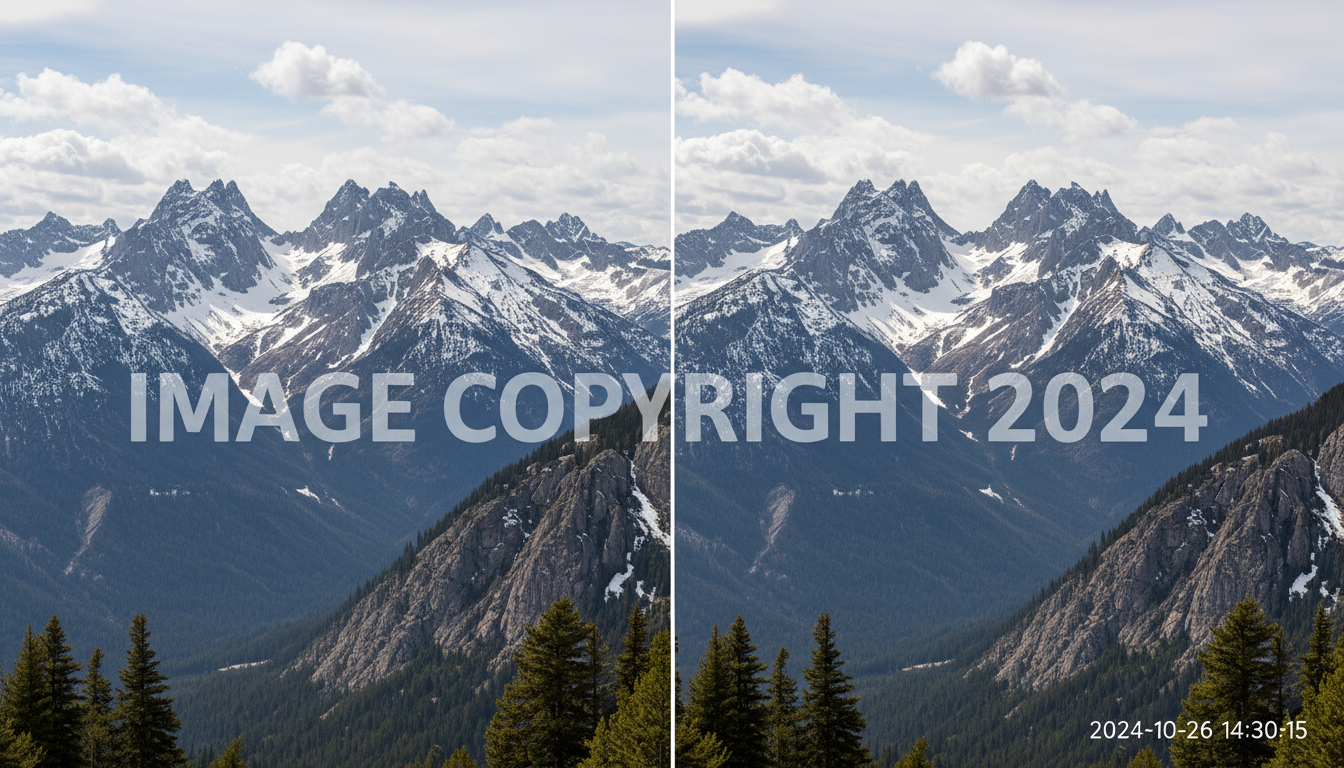
In the high-stakes world of digital marketing, e-commerce, and content creation, visual fidelity is not merely an aesthetic choice—it is the currency of trust. A pixelated image, a distracted composition, or an intrusive overlay can immediately degrade the perceived value of a brand. Among the most persistent challenges professionals face is the presence of unwanted watermarks, timestamps, or text overlays on images they legally own or have the rights to use but have lost the original source files for.
To unwatermark an image is no longer about finding a workaround; it is about asset restoration. It is about reclaiming the pristine quality of visual data so that it can serve its intended purpose without distraction. This article delves deep into the strategic importance of clean imagery and how modern AI tools are revolutionizing the way we handle visual obstructions.
The Strategic Imperative of Clean Imagery
Before we discuss the solution, we must understand the problem. Why is a watermark such a significant friction point in professional workflows?
1. The Psychology of Trust
When a user visits an e-commerce store or reads a thought leadership article, their brain processes visual information 60,000 times faster than text. If that visual information is marred by a watermark—whether it is a camera timestamp from a product shoot or a logo on an archived company photo—the immediate subconscious reaction is one of skepticism. It suggests a lack of professionalism or, worse, illegitimacy.
2. The Asset Management Crisis
Many enterprises face a common dilemma: they own the rights to a vast library of images, but due to legacy filing systems or data loss, the only versions available are the watermarked proofs or stamped archives. Re-shooting these photos is often cost-prohibitive. The ability to unwatermark these assets effectively means saving thousands of dollars in production costs.
3. Visual Continuity
For designers, maintaining a consistent visual language is paramount. An overlay on an image breaks the immersion. It draws the eye away from the focal point—the product or the subject—and directs it toward the obstruction. Removing these elements is essential for maintaining the narrative flow of visual storytelling.
The Evolution of Restoration: From Manual Labor to AI Automation
Historically, removing a watermark was a tedious, manual process. Graphic designers would spend hours using "clone stamp" tools, painstakingly copying pixels from one area of an image to cover the watermark in another. This process was not only time-consuming but often resulted in a "smudged" or unnatural look. The lighting wouldn't match, the texture would be flat, and the edit would be obvious to a trained eye.
Enter the era of AI. The paradigm has shifted from manual reconstruction to intelligent recognition. We are now seeing tools that understand the context of an image. They don't just "blur" the watermark; they analyze the surrounding pixels to predict what should be there.
Leading this charge is the Unwatermark tool created by Haimeta. This solution represents a significant leap forward in automated image processing, designed specifically to address the pain points of manual editing.
Core Value: Efficiency Without Compromise
The Unwatermark tool created by Haimeta operates on a philosophy of simplicity and integrity. Unlike complex editing suites that require a steep learning curve, this tool is designed for immediate utility.
Automatic Identification
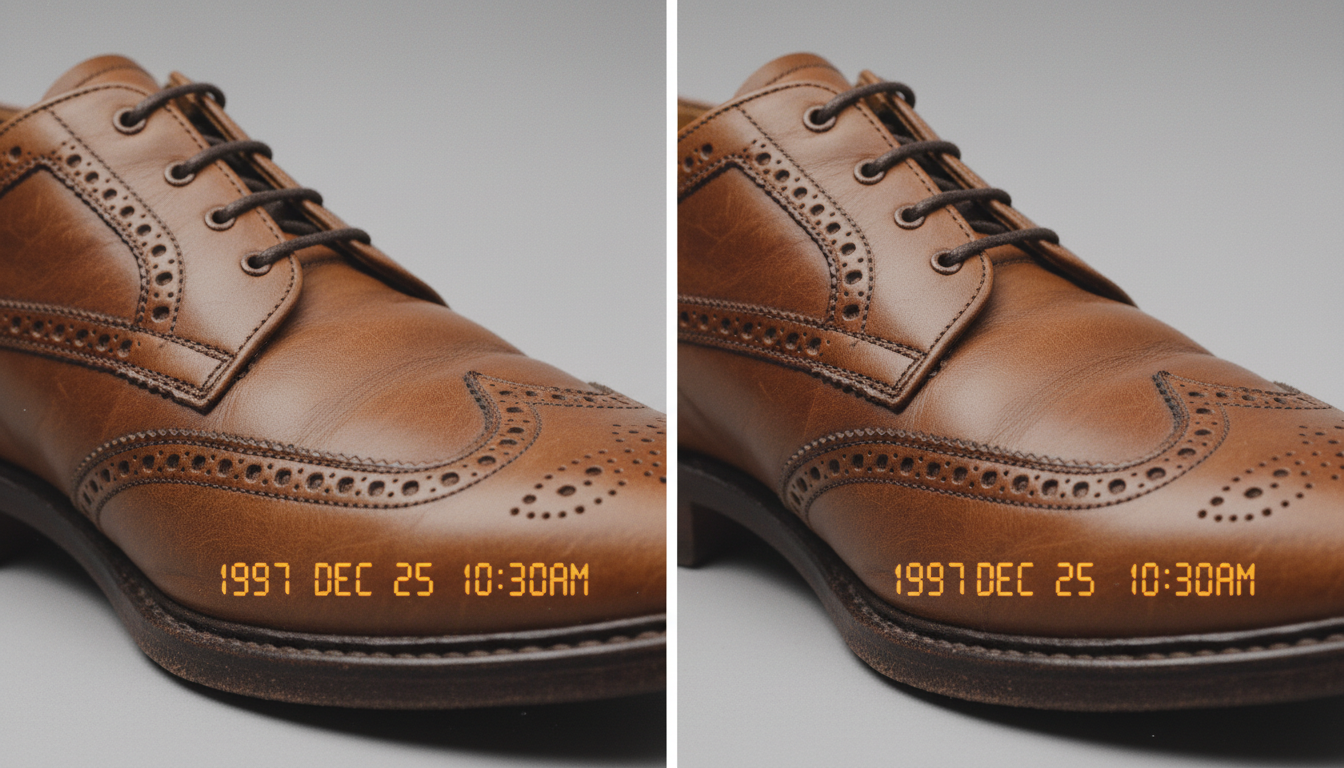
The standout feature of modern restoration tools is the ability to automatically identify the obstruction. Users do not need to manually highlight every curve of a letter or every pixel of a logo. Upon uploading the image, the system detects the foreign elements—be it text, a logo, or a timestamp—that do not belong to the natural composition of the photograph.
Preserving Image Integrity
The greatest fear when using an automated tool is the loss of quality. We have all seen "cleaned" images where the watermarked area was replaced by a blurry patch that looked worse than the original problem.
The core selling point of high-end tools is the ability to eliminate the watermark while maintaining the integrity of the original image. This means:
- Texture Matching: If the watermark is over a textured surface (like fabric, wood, or skin), the restoration respects that texture.
- Lighting Consistency: Shadows and highlights remain consistent across the edited area.
- Resolution Retention: The process does not compress or downscale the image, ensuring it remains print-ready or suitable for high-definition displays.
Real-World Use Cases: Where Unwatermarking Creates Value
To understand the practical application, let’s look at specific scenarios where the ability to unwatermark transforms a workflow.
1. E-Commerce and Product Photography
Imagine a scenario where a retailer has thousands of product photos taken by an old camera system that hard-coded the date and time onto every image. These products are still in stock, but the photos look dated and amateurish. Re-shooting inventory is a logistical nightmare. By using an AI tool to remove the timestamps, the retailer instantly upgrades the look of their store, increasing potential conversion rates without organizing a new photoshoot.
2. Archival Restoration
Museums, historical societies, and corporations often have digital archives of scanned photographs. Often, these scans were watermarked years ago for cataloging purposes. To use these images in modern marketing materials, documentaries, or annual reports, the watermarks must be removed to restore the historical dignity of the photo.
3. Real Estate Marketing
Real estate agents frequently share property photos across Multiple Listing Services (MLS). Sometimes, an agent needs to retrieve a photo of a property they previously listed, but the only copy they have left bears the watermark of a defunct agency or platform. Restoring these images allows for the continued marketing of the property without visual clutter.
4. Content Creators and Influencers
Creators often reuse their own content across different platforms. A video thumbnail or an Instagram story might have been saved with a platform-specific watermark (like the TikTok logo). To repurpose this content for a professional portfolio or a different network, the creator needs a clean version. The ability to quickly unwatermark ensures their branding remains consistent, regardless of the platform.
The Workflow: Simplicity is Key
In a professional environment, time is the scarcest resource. Complex software that requires layers, masking, and manual brushing is a bottleneck. The ideal workflow for image restoration should be frictionless.
Here is how the modern process works with tools like the Unwatermark module:
1. Upload: The user simply uploads the affected image to the platform. 2. Processing: The system analyzes the visual data. It differentiates between the subject and the overlay. 3. Restoration: The unwanted elements are removed, and the background is intelligently filled in. 4. Download: The user retrieves the clean asset.
There is no need for technical intervention. There is no need to understand how the pixels are being manipulated. The value lies in the result: a clean image, delivered in seconds.

Best Practices and Ethical Considerations
While the technology to unwatermark images is powerful, it is vital to discuss it within the framework of professional ethics. This technology is intended for:
- Restoring Owned Assets: Cleaning up images you own but have lost the source files for.
- Removing Distractions: eliminating camera timestamps, accidental text, or unwanted artifacts.
- Pre-visualization: mocking up concepts for internal review before purchasing final rights.
It is crucial for professionals to respect copyright laws. The power of AI should be used to enhance workflows and salvage value, not to infringe on intellectual property. Using these tools responsibly ensures that the creative ecosystem remains sustainable for photographers and designers alike.
Conclusion: Clarity equals Value
In the digital age, the clarity of your visual communication directly correlates to the value of your brand. Obstructions, distractions, and watermarks act as barriers between your message and your audience.
The ability to effortlessly remove these barriers is a competitive advantage. It allows businesses to salvage lost assets, improve the aesthetic quality of their catalogs, and present a polished, professional face to the world.
We are past the days of manual cloning and blurring. With advanced solutions like the Unwatermark tool created by Haimeta, achieving visual perfection is no longer a chore—it is a simple, automated step in your creative workflow. Whether you are dealing with a single critical image or a massive archive of timestamped photos, the solution lies in intelligent, automated restoration.
Reclaim your visuals. Restore your quality. Unwatermark your potential.
Explore More About Unwatermarking Images
Looking to dive deeper into AI-driven image restoration? For more in-depth guides, professional reviews, and tips on how to effectively unwatermark your digital assets, check out our comprehensive series below:
- How to Unwatermark Images: The Ultimate Professional AI Guide
- How to Unwatermark Images Instantly: A Professional Guide to Cleaner Visuals
- Unwatermark Review: The Professional Solution to Restore Image Integrity
- The Art of Visual Clarity: How to Unwatermark Images and Reclaim Your Digital Assets
- The Ultimate Guide to Unwatermark Images: AI Automation vs. Manual Editing