
Effortlessly Use AI Generate 3D Models: A Friendly Comparison Guide
Effortlessly Use AI Generate 3D Models: A Friendly Comparison Guide
Have you ever imagined an object in your mind—a perfectly shaped coffee mug, a cute little desk companion, or a unique piece of home decor—and wished you could instantly bring it to life in three dimensions? For a long time, turning imagination into a 3D reality meant spending months, if not years, learning complicated software. But times have changed. Today, you can seamlessly use ai generate 3d models just by typing a few words or uploading a simple photo.

If you are intimidated by complex meshes, polygons, and rendering engines, you are not alone. The great news is that you no longer need to be a seasoned 3D artist to create beautiful, usable 3D assets. In this comprehensive and friendly comparison guide, we are going to look at the differences between the old, grueling way of creating 3D content and the modern, joyful, AI-assisted method. We will also introduce you to an incredible tool that makes this process feel like absolute magic.
The Old Way vs. The New Way: A Friendly Comparison
When we talk about creating 3D objects, there are generally two paths you can take today. Let's compare them so you can see exactly why the modern approach is such a breath of fresh air.
Traditional 3D Modeling (The Hard Path)
Historically, creating a 3D model required an incredible amount of dedication. Here is what the traditional process typically involves:
- Steep Learning Curve: You have to learn incredibly complex software interfaces filled with hundreds of buttons, drop-downs, and sliders.
- Time-Consuming Processes: Building a model from scratch involves manipulating thousands of tiny geometric shapes called polygons. A single character or product model can take days or even weeks to perfect.
- Expensive Tools: High-end 3D modeling software often comes with hefty monthly subscriptions or massive upfront costs.
- Technical Headaches: You need to understand complicated concepts like UV mapping, retopology, rigging, and texture baking. It is a highly technical workflow that leaves little room for spontaneous creativity.
AI-Powered 3D Generation (The Easy Path)
Now, let us compare that to the modern ability to use ai generate 3d models. The shift is nothing short of revolutionary:
- Zero Learning Curve: If you can type a sentence or take a picture with your phone, you already have all the skills you need.
- Instant Gratification: What used to take days now takes mere minutes or seconds. You simply provide an input, and the AI builds the complete model for you.
- Cost-Effective: Many modern AI platforms are highly accessible, saving you from investing in professional-grade software suites.
- Pure Creativity: Without the technical barriers, you are free to focus purely on your creative vision. You are no longer a software operator; you are an art director.
Why You Don't Need Complex Skills Anymore
The core beauty of modern AI platforms is their simplicity. You do not need to learn complex modeling techniques. Instead, the process is boiled down to two incredibly simple inputs: text and images.
Imagine you want a 3D model of a vintage armchair for a living room planning project. Instead of sculpting it digitally, you just type: "A cozy, vintage green velvet armchair with wooden legs." Within moments, the AI interprets your words and crafts a 3D object that matches your description.
Alternatively, maybe you have a sketch on a napkin or a photo of a toy you love. By simply uploading that 2D image, the AI studies the shapes, shadows, and colors, and extrudes it into a fully rotatable, 3D asset.
This incredible functionality is beautifully showcased by Haimeta 3D created by Haimeta. This platform embodies the philosophy that 3D creation should be for everyone, not just technical experts.
How Haimeta Makes Magic Happen (Without the Tech Jargon)
You might be wondering how an application takes simple words or a flat picture and turns it into a fully formed 3D object. While we promised not to bore you with too many technical details, it is worth knowing the power under the hood of Haimeta.

Haimeta achieves this seamless 3D generation by seamlessly integrating two of the most powerful and advanced AI engines available today: Tripo 3.0 and Rodin 2.0.
Instead of making you choose between complex algorithms or tweaking endless technical parameters, Haimeta uses Tripo 3.0 and Rodin 2.0 to do all the heavy lifting in the background. These systems have studied millions of 3D shapes and images, learning how light, texture, and geometry work together in the real world. When you ask Haimeta to create something, these integrated engines work together to ensure your final 3D model looks great, is structurally sound, and is ready for whatever lifestyle project you have in mind.
Step-by-Step: How to Use AI Generate 3D Models
Are you ready to try it yourself? Let us walk through the incredibly friendly and straightforward process of using AI to bring your ideas to life.
Step 1: Choose Your Inspiration (Text or Image)
The journey begins with a simple choice. Do you have a vivid idea in your head, or do you have a reference picture?
- Text Input: If you are using text, be descriptive but natural. Think of it like describing an object to a friend. For example, "A small, rustic ceramic coffee cup with a chipped handle."
- Image Upload: If you have a photo or a drawing, simply upload it. Ensure the image is clear and the object you want to turn into 3D is easy to see.
Step 2: Let the AI Go to Work
Once you hit the generate button on a platform like Haimeta, the integrated Tripo 3.0 and Rodin 2.0 engines take over. You don't need to adjust mesh counts, fix lighting nodes, or render anything manually. You can just sit back, take a sip of your tea, and let the AI do the heavy lifting.
Step 3: Review and Use
In a matter of moments, your 3D model will appear on your screen. You can spin it around, look at it from all angles, and appreciate your creation. From here, you can download it to use in your personal projects, share it with friends, or even send it to a 3D printer for physical creation.
Everyday Scenarios for AI 3D Models
You might be thinking, "This is incredibly cool, but how does this fit into my daily life?" The truth is, the ability to use ai generate 3d models is opening up wonderful possibilities for everyday people, hobbyists, and small business owners.
1. Home Decor and Interior Visualization
Planning to redecorate your living room? Instead of just imagining how a new piece of furniture might look, you can generate a 3D model of it using a photo from a catalog. This allows you to visualize spatial arrangements and color matching in a much more tangible way before making a purchase.
2. Crafting and 3D Printing
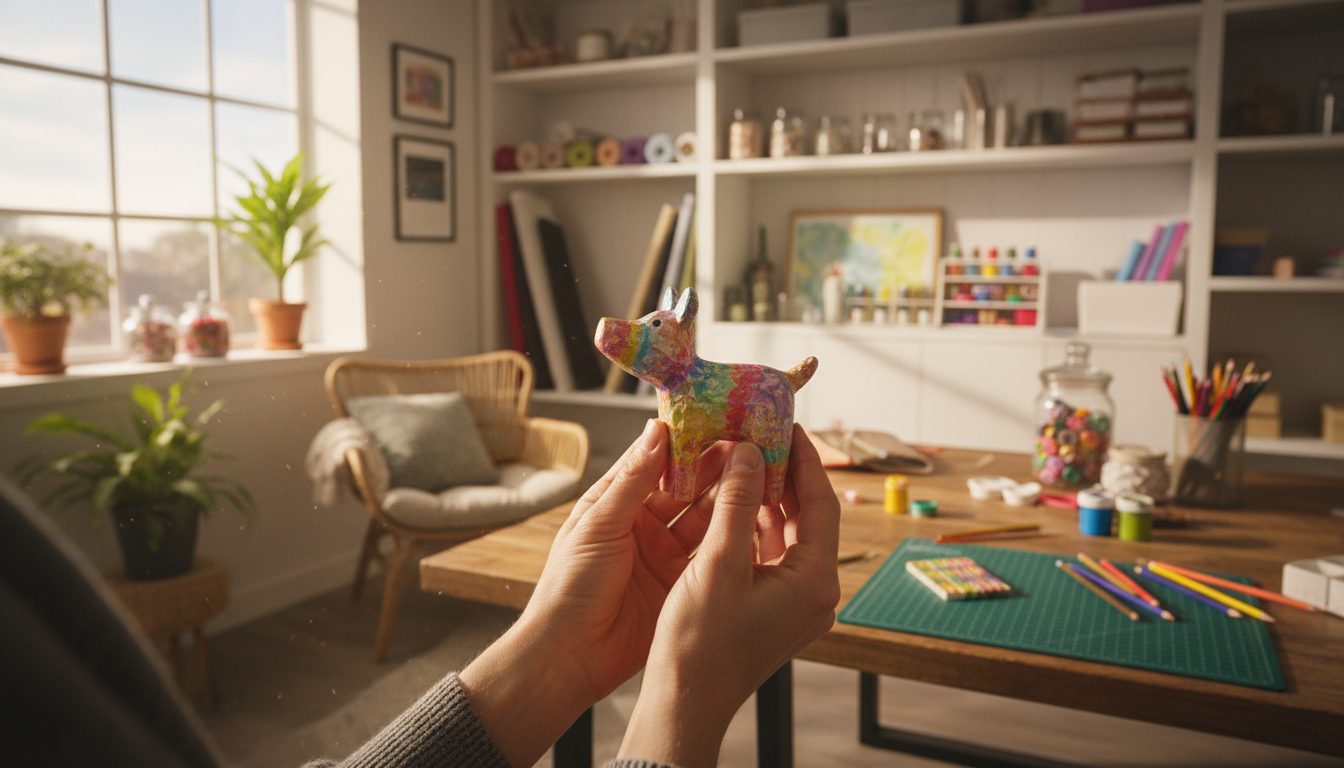
For the hobbyists out there, 3D printing has never been more accessible. In the past, the bottleneck was always creating the 3D files. Now, if you want a custom cookie cutter, a unique plant pot, or a small figurine for your bookshelf, you can simply type a prompt, generate the model, and send it straight to your 3D printer.
3. Personalized Gifts
Imagine taking a beautiful drawing made by your child and using AI to turn it into a 3D model. You could then have it printed or cast into a keychain or a small desk ornament. It turns flat memories into three-dimensional keepsakes without requiring any sculpting skills.
4. Small E-Commerce Businesses
If you run a small online shop, creating 3D turnarounds of your products used to require hiring an expensive studio. Now, by simply uploading good photos of your handmade crafts, you can generate 3D representations to give your customers a better view of what they are buying.
Frequently Asked Questions
Do I need a powerful computer to use these tools? Not at all! Because the generation happens in the cloud using platforms like Haimeta, you don't need an expensive graphics card or a high-end machine. A standard web browser on a basic laptop or even a tablet is usually all you need.
Do I need to clean up the models after they are generated? Thanks to the advanced integration of Tripo 3.0 and Rodin 2.0, the models generated are generally of very high quality and ready for casual use right away. While professional game developers might do some minor tweaks, for everyday lifestyle uses, they are good to go.
Can I generate anything? AI is incredibly versatile. Whether you want organic shapes like plants and food, or hard-surface items like furniture and toys, the AI can handle it. The only limit is your imagination and the descriptive power of your text or images.
Conclusion: Your 3D Journey Awaits
The world of 3D creation is no longer locked behind doors of technical jargon, expensive software, and years of training. The ability to seamlessly use ai generate 3d models has democratized creativity, allowing anyone with an idea to see it realized in three dimensions.
By simply inputting text or uploading an image, you can bypass the complex modeling techniques of the past. With platforms leveraging powerful engines like Tripo 3.0 and Rodin 2.0, the heavy lifting is done for you invisibly, leaving you with the fun part: creating and exploring.
Are you ready to turn your imagination into reality without the hassle? Dive in and start creating today. Check out Haimeta 3D created by Haimeta, and experience the joy of effortless 3D generation for yourself. Happy creating!